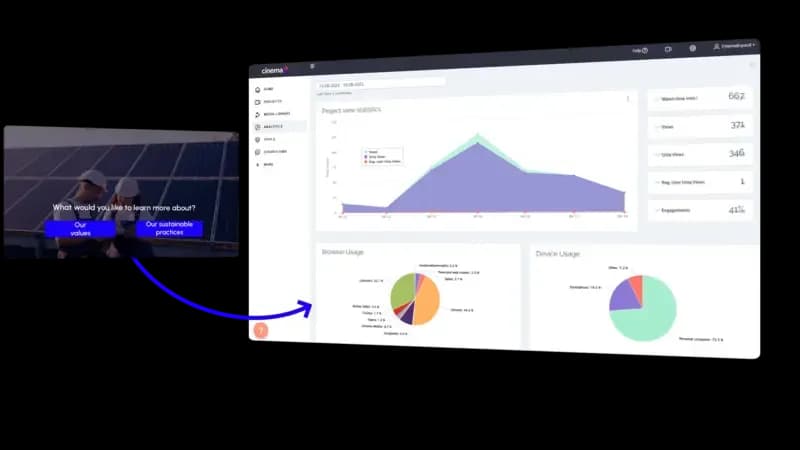
Buyer intent through video engagement data refers to understanding how likely a viewer is to make a purchase based on how they interact with video content, not simply whether they watched it. This article explains what buyer intent means in a video context, why engagement data is more revealing than views, and which signals help marketing teams identify interest earlier using analytics-led video hosting platforms such as Cinema8.
What is buyer intent?
Buyer intent describes how ready someone is to make a purchase, based on the behaviours they show while researching, evaluating, or confirming whether a solution fits their needs. In the context of video, intent is reflected in how viewers watch, rewatch, or interact with content that informs that decision.
Buyer intent is often measured using signals such as website visits, form submissions, or sales conversations. Video adds another layer because it captures behaviour over time when combined with video analytics tools. How long someone watches, which sections they revisit, and where they stop watching all indicate whether the content is supporting decision-making. When these behaviours are analysed together, they help marketing teams understand whether a viewer is casually consuming content or actively assessing whether a product or service is a good fit.
Why video engagement data reveals intent better than views
Video views offer limited insight because they only confirm that playback started. Most platforms register a view after a few seconds or even just when someone quickly scrolls past a video, meaning it's possible that the viewer didn't pay attention, didn't find the content relevant, or didn't understand the message.
Engagement data provides context that views cannot. More specifically:
- Watch depth shows whether content holds attention.
- Replays highlight moments of interest or comparison.
- Drop-off patterns reveal where expectations were not met.
- Interaction with calls to action indicates readiness to move forward.
These signals reflect behaviour whereas views only reflect exposure. They show how viewers respond to information over time, making engagement data a much stronger indicator of intent. For teams using video across their business, this distinction is incredibly important when assessing performance and prioritising follow-up.
Video engagement signals that indicate buyer intent
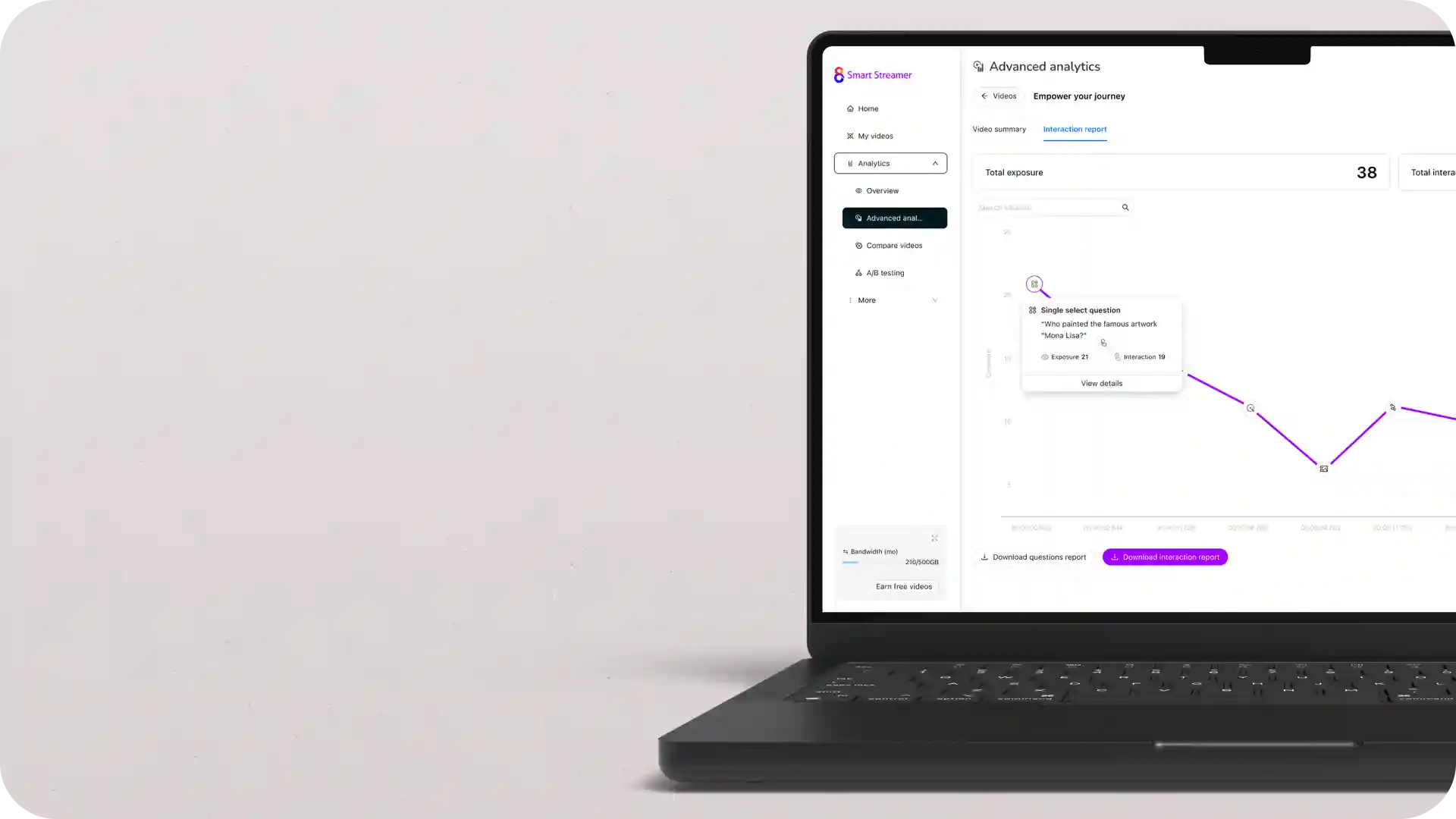
Buyer intent becomes clearer when you track viewer behaviour within the video, rather than reviewing total view metrics. Certain actions during playback reveal whether a viewer is seriously evaluating a solution or simply watching at surface level. The signals below are the most reliable indicators of commercial intent within video content.
Watch time and completion rates
Watch time indicates whether a viewer is prepared to invest attention in content that supports a buying decision. High completion rates on product walkthroughs, pricing explainers, or implementation videos often suggest true evaluation of the content and topic.
With that being said, context matters. A short brand video may generate high completion rates simply because it is short. A longer demo with sustained watch depth, however, signals stronger buyer intent. When viewers consistently watch key decision-making content in full, it suggests they are seriously assessing whether the product or solution meets their requirements.
Replays and scrubbing behaviour
Replays often indicate that a viewer is reviewing specific details. This is particularly relevant when sections covering features, integrations, pricing, or use cases are watched more than once.
Scrubbing behaviour can also reveal buyer intent. Jumping directly to certain chapters or revisiting particular moments suggests targeted information-seeking. When viewers return to decision-critical segments, it often reflects comparison, clarification, or internal validation before moving forward.
Drop-off points and abandonment patterns
Where viewers stop watching a video can be just as revealing as how long they stay. Consistent drop-off at the same point may indicate that the message does not align with expectations or that key questions remain unanswered.
Late-stage drop-off, particularly after pricing or implementation sections, may signal hesitation or unresolved concerns. By analysing abandonment patterns across viewers, teams can identify whether disengagement reflects low intent or friction within the content itself.
Interaction with CTAs and in-video elements
When your video hosting platform supports interaction, you can gauge how viewers interact with calls to action. This provides one of the clearest indicators of purchase readiness. Clicking a demo link, opening a booking form, or engaging with an in-video prompt shows willingness to take a next step.
Even lighter interactions, such as exploring feature overlays or expanding additional information, can signal focused evaluation. This is where using interactive CTAs and hotspots to generate leads from video content becomes especially valuable, as engagement can be translated directly into identifiable intent signals.
How video engagement data helps detect buyer intent
Video engagement data reveals purchase readiness before a formal conversion takes place. A viewer does not need to submit a form or request a demo to show meaningful intent. Their behaviour during playback often provides earlier, more nuanced signals.
By analysing how viewers engage over time, marketing and sales teams can identify higher-intent viewers sooner and use video analytics for strategic planning, refining messaging and prioritising follow-up where engagement suggests serious consideration.
Using buyer intent data across the marketing funnel
Buyer intent signals vary in strength depending on where a viewer sits in the decision process (i.e. the marketing funnel). When interpreted in context, video engagement data helps teams score leads understand whether they are attracting relevant prospects, supporting evaluation, or identifying decision readiness.
Top-of-funnel insight and audience validation
At the top of the funnel, engagement data helps confirm whether the right audience is watching. Strong watch time on problem-led or educational content suggests relevance. Consistent early drop-off may indicate a mismatch between message and audience. At this stage, sustained attention signals alignment with the problem being addressed.
Middle-of-funnel evaluation signals
In the middle of the funnel, viewers assess whether the solution fits their needs. They spend time on product walkthroughs, feature explanations, integrations, or use cases. Rewatching specific sections or navigating directly to practical details often indicates comparison and internal review. Engagement here indicates structured evaluation rather than broad interest.
Bottom-of-funnel decision readiness
At the bottom of the funnel, engagement centres on final confirmation. Viewers focus on pricing, onboarding steps or customer training, technical requirements, or implementation details. Interaction with demo bookings or contact prompts suggests readiness to proceed and can also assist teams in calculating ROI. At this stage, behaviour reflects decision preparation as opposed to continued assessment.
Common mistakes when interpreting video engagement data
Interpreting video engagement data requires context. Individual metrics can mislead if viewed without considering content type, audience, and funnel stage. The following mistakes often distort how buyer intent is assessed:
- Analysing single metrics in isolation: Watch time, completion rate, or CTA clicks alone rarely tell the full story. Intent becomes clearer when multiple behaviours are considered together.
- Ignoring content context: A short brand video, a detailed product demo, and a technical onboarding guide will naturally generate different engagement patterns. Comparing them directly can lead to inaccurate conclusions about purchase readiness.
- Confusing exposure with evaluation: High view counts may indicate reach, but early drop-off or low interaction with decision-critical content signals weak buying intent.
- Failing to define intent thresholds: Without clear benchmarks for what qualifies as stronger purchase signals, meaningful engagement can go unnoticed and follow-up efforts may lack direction.
How Cinema8's video hosting supports intent-driven video analysis
Understanding buyer intent through video requires valuable playback metrics. Cinema8’s video hosting platform combines reliable hosting with detailed engagement analytics, allowing teams to see how individual viewers interact with content over time and then adapt that content to enhance brand engagement.
Heatmaps, watch-depth insights, and interaction tracking provide visibility into which sections drive evaluation and where interest weakens. Built-in calls to action and in-video lead generation forms make it possible to connect engagement behaviour directly to next steps. By bringing hosting, analytics, and interactivity into one platform, Cinema8 helps marketing and sales teams interpret video engagement as a meaningful commercial signal.
Turning video engagement data into clearer buyer intent
Buyer intent becomes measurable when video engagement data is analysed as evidence of decision-making behaviour. Watch depth, replays, drop-off patterns, and in-video interactions reveal how seriously a viewer is assessing a purchase and how close they may be to taking the next step.
When these signals are interpreted together, marketing and sales teams gain clearer visibility into purchase readiness across the funnel. Video engagement data shifts video from a distribution channel into a structured source of commercial insight, helping teams identify stronger intent earlier and respond with greater precision.
For teams looking to understand buyer intent more clearly through video engagement, start using Cinema8’s video hosting platform and built-in analytics tools to see how engagement data can support smarter marketing decisions.