What is video dubbing?
Video dubbing is the process of replacing a video’s original spoken audio with a new voice track, typically in another language. It helps creators localise content so viewers can experience the material in a familiar voice and language. Dubbing enhances comprehension, accessibility, and audience reach, making it a key technique for global learning, marketing, and communication strategies.
Definition of video dubbing
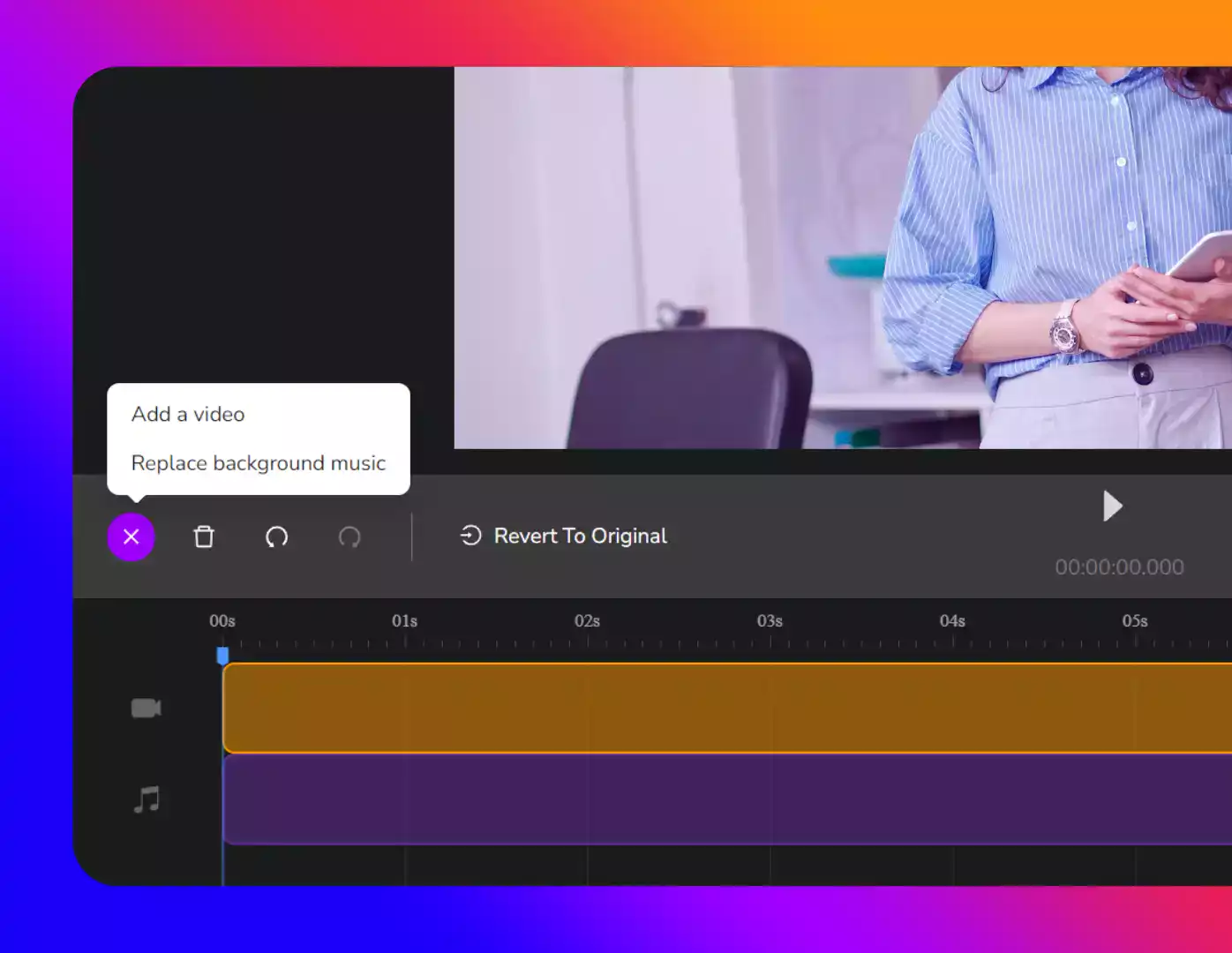
Video dubbing replaces dialogue with a newly recorded voice track that matches the pacing, tone, and meaning of the original audio. This process gives creators the ability to deliver the same video experience across different languages without re-shooting or redesigning content. Some video hosting platforms allow you to add dubbed tracks to your videos so they can remain synchronised and consistent across all devices. Features may include:
- Voice recording: Producing spoken dialogue in the target language with the appropriate tone and clarity.
- Timing alignment: Matching the new track to on-screen actions for a natural viewing experience.
- Audio integration: Replacing, mixing, or blending the audio track within the original video.
- Cultural adaptation: Adjusting expressions and phrasing to suit regional context.
- Multi-track support: Hosting multiple language versions within the same asset.
Why does video dubbing matter?
Video dubbing helps audiences understand and retain information more effectively in their native language. Dubbing removes barriers for viewers who struggle with subtitles or prefer audio-based consumption. This is especially important for long-format content, detailed instructions, or emotionally driven storytelling.
For global organisations, dubbing ensures consistent messaging across regions, reduces production costs, and supports more scalable localisation strategies.
What are the benefits of video dubbing?
The benefits of video dubbing include greater accessibility, improved user experience, and broader international reach. Viewers can follow complex explanations more comfortably, which increases engagement and comprehension.
With video translation tools, teams can create multilingual versions more efficiently. Additionally, adding subtitles to videos alongside video dubbing ensures it becomes part of a complete accessibility and localisation workflow that accommodates different viewer preferences.
Applications of video dubbing
Video dubbing is useful in education, marketing, internal communication, and entertainment. Learning platforms use dubbing to help students follow lessons in their preferred language. Brands rely on dubbed product explainers during global campaigns. Corporate teams use dubbed training videos to maintain consistent communication across international offices.
Cinema8 helps organisations scale these workflows by centralising multilingual assets. Educational content providers can build regionalised courses with advanced video hosting tools for educational institutions, while marketing teams distributing content across multiple markets streamline production using similar tools built specifically for marketing agencies.
How Cinema8 uses video dubbing
Cinema8 enables creators to upload, manage, and switch between multiple audio tracks within a single video. Users can pair dubbed audio with interactive elements, subtitles, chapters, or branching paths to build highly accessible multilingual experiences.
With secure hosting and analytics, Cinema8 ensures each dubbed version performs consistently across platforms and regions. This helps organisations deliver professional, globally relevant content without managing separate video files for each language.
Book a demo to see how Cinema8 helps you produce and manage professionally dubbed videos for global audiences.