Latin subtitles for videos
Cinema8 allows teams to add Latin subtitles to video content using AI, presenting translated Latin text clearly on screen. Subtitles provide a written layer that supports interpretation, learning, and reference, making Latin easier to follow within video content. This is especially useful for educational, historical, or explanatory videos where Latin text benefits from clear visual presentation.
Trusted by leading brands around the world


















Cinema8’s auto subtitle generator allows Latin subtitles to be added to video content as a clear, readable written layer. Using AI, videos can be translated into Latin subtitles that present text accurately on screen, supporting interpretation, study, and reference. This is particularly useful for educational, historical, or explanatory videos where Latin text benefits from careful presentation. By reviewing and refining subtitles before publishing, teams can ensure Latin appears clearly and consistently within video content, making it easier to read, revisit, and understand.
How to create Latin subtitles with AI
Translate video content into Latin subtitles and review the text before publishing.
Upload your video to Cinema8, whether it contains spoken content in a modern language or explanatory audio that will be translated into Latin subtitles.
Use the subtitle editor to generate Latin subtitles with AI. The video’s spoken content is translated into written Latin text that appears as timed captions on screen.
Review the Latin subtitles, refine wording if needed, and publish the video. The final subtitles present Latin clearly on screen for reading, study, and reference.
Why use Cinema8 for Latin subtitles?
Cinema8 provides a clear way to present Latin as written subtitles within video content. By generating Latin subtitles through AI and allowing review before publishing, the platform supports accurate representation of translated text on screen. This makes Latin easier to read, reference, and interpret in videos where written clarity matters more than spoken delivery, such as educational, historical, or explanatory material.
How Cinema8 improves Latin subtitle presentation

Present translated Latin text clearly as readable on-screen subtitles
Support interpretation and study with written Latin aligned to video
Ensure Latin subtitles remain consistent and easy to reference
Educators and institutions can generate subtitles with AI for lecture recordings, lessons, or explanatory videos to help learners read along in Latin, analyse grammar, and reference original text while engaging with video material.
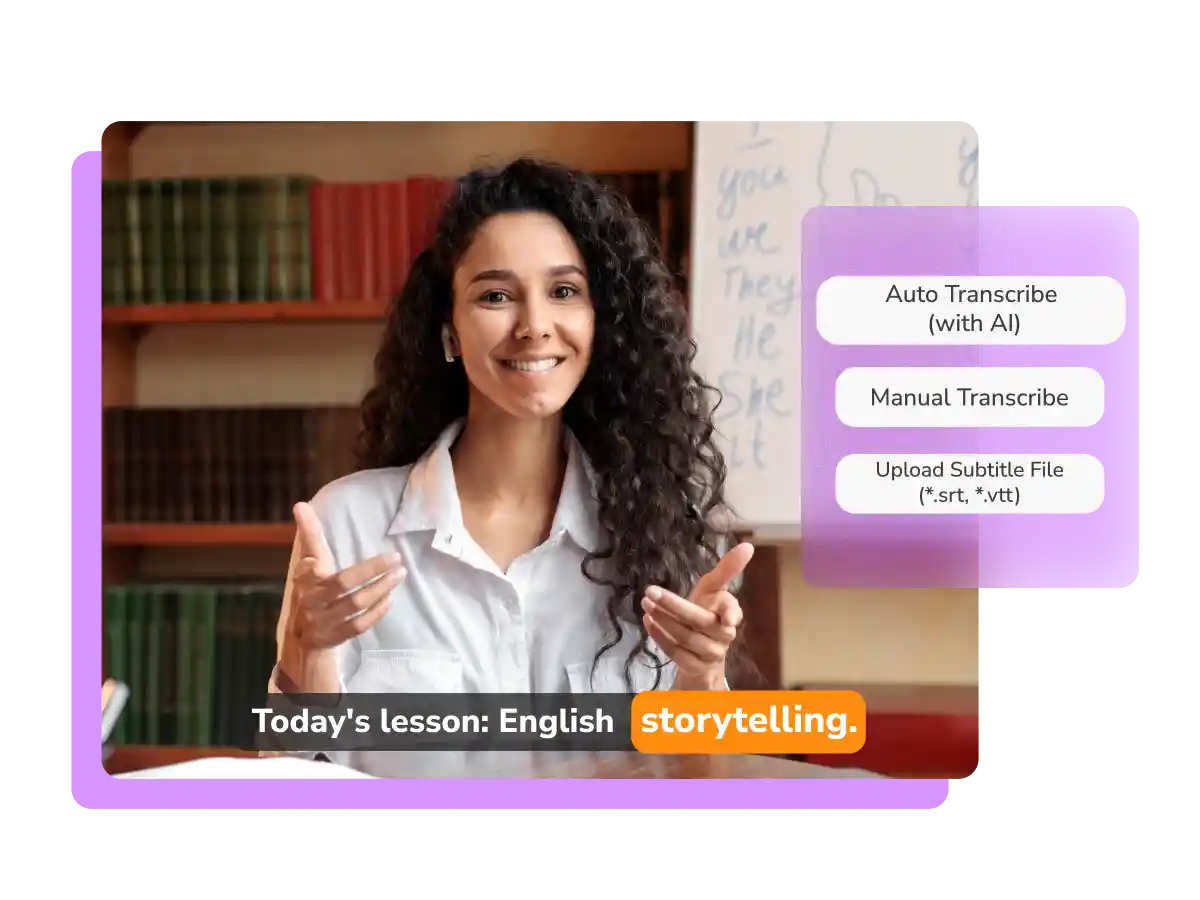
Latin subtitles allow historical documentaries, museum content, or cultural videos to display translated Latin text clearly on screen, supporting interpretation and helping viewers understand source material within its proper context.

Researchers and content creators can include Latin subtitles in videos that analyse texts, inscriptions, or sources, giving viewers a written reference they can pause, reread, and examine alongside commentary.
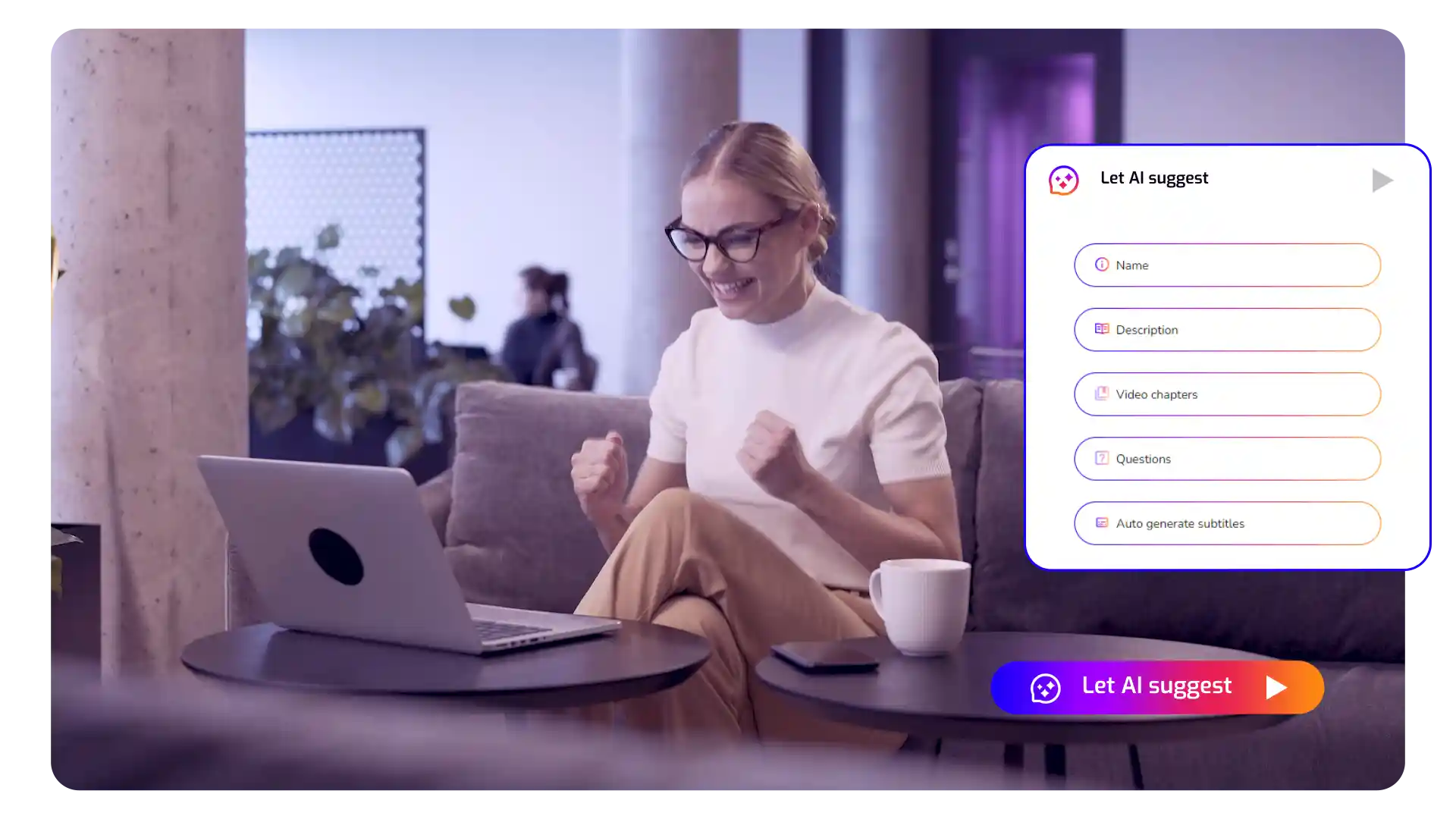
See why teams use Cinema8 to present video content clearly for different audience groups.
During travel restrictions, Cinema8 proved valuable as a tool. Its platform offered straightforward yet complete tools, allowing us to give virtual demonstrations of our solutions in a secure and efficient way.
Jay Yalung
Art Director, Marketing and E-Commerce / Leica Geosystems
Cinema8 software engaged and motivated students with 360-degree videos at the Tate Gallery, featuring past student projects. Staff support was responsive and helpful with training. A valuable tool for educational institutions.
Chi-Ming Tan
Unit Lead Lecturer LCCA / London College of Contemporary Arts
Cinema8 has been instrumental in compiling all of the videos for a research project on employment for the blind or visually impaired, by offering an easy-to-use web-based platform for building Interactive Videos.
Sarah Moody
Communications Coordinator / Mississippi State University
Cinema8 was chosen for its ease of use and ability to create interactive videos through an intuitive interface. The team received great support and reasonable pricing. leading to a renewal of their partnership. Cinema8's support helped them meet project deadlines.
Michel Sohel
Media Consultant / Eastern Michigan University
Starter
$12
per month billed annually
Everything in Free, plus:
- Lead gen forms with CRM/email integration
- 360 degree interactive video support
- Unlimited screen recording
- Customisable video player
- 1TB bandwidth
Recommended
Pro
$24
per month billed annually
Everything in Starter, plus:
- Sticky hotspots for moving objects
- AI chaptering + SEO metadata
- AI-powered speech search
- Video heatmaps + advanced reports
- 2TB bandwidth
Pro Plus
$84
per month billed annually
Everything in Pro, plus:
- FTP upload for video libraries
- Webhook-based event notifications
- Domain restriction
- Priority + dedicated support
- Unlimited seats