What is video feedback?
Video feedback refers to comments, reactions, and insights provided by viewers in response to a video. It can be collected through surveys, forms, ratings, or interactive elements that appear during or after playback. Video feedback helps creators understand viewer responses, improve content quality, and guide future production or learning strategies.
Definition of video feedback
Video feedback includes any form of input viewers share after engaging with a video, such as opinions, ratings, comprehension checks, or suggestions. This feedback can appear inside the video through interactive tools or externally via forms and analytics dashboards. When collected through an advanced video hosting platform, feedback remains organised, accessible, and linked to viewer behaviour data. Common forms of video feedback include:
- Ratings and reactions: Quick expressions of viewer sentiment.
- Open-text comments: Qualitative responses that offer context and detail.
- Comprehension checks: Short questions that confirm understanding of the video.
- Polls and choices: Structured prompts that gauge audience preferences.
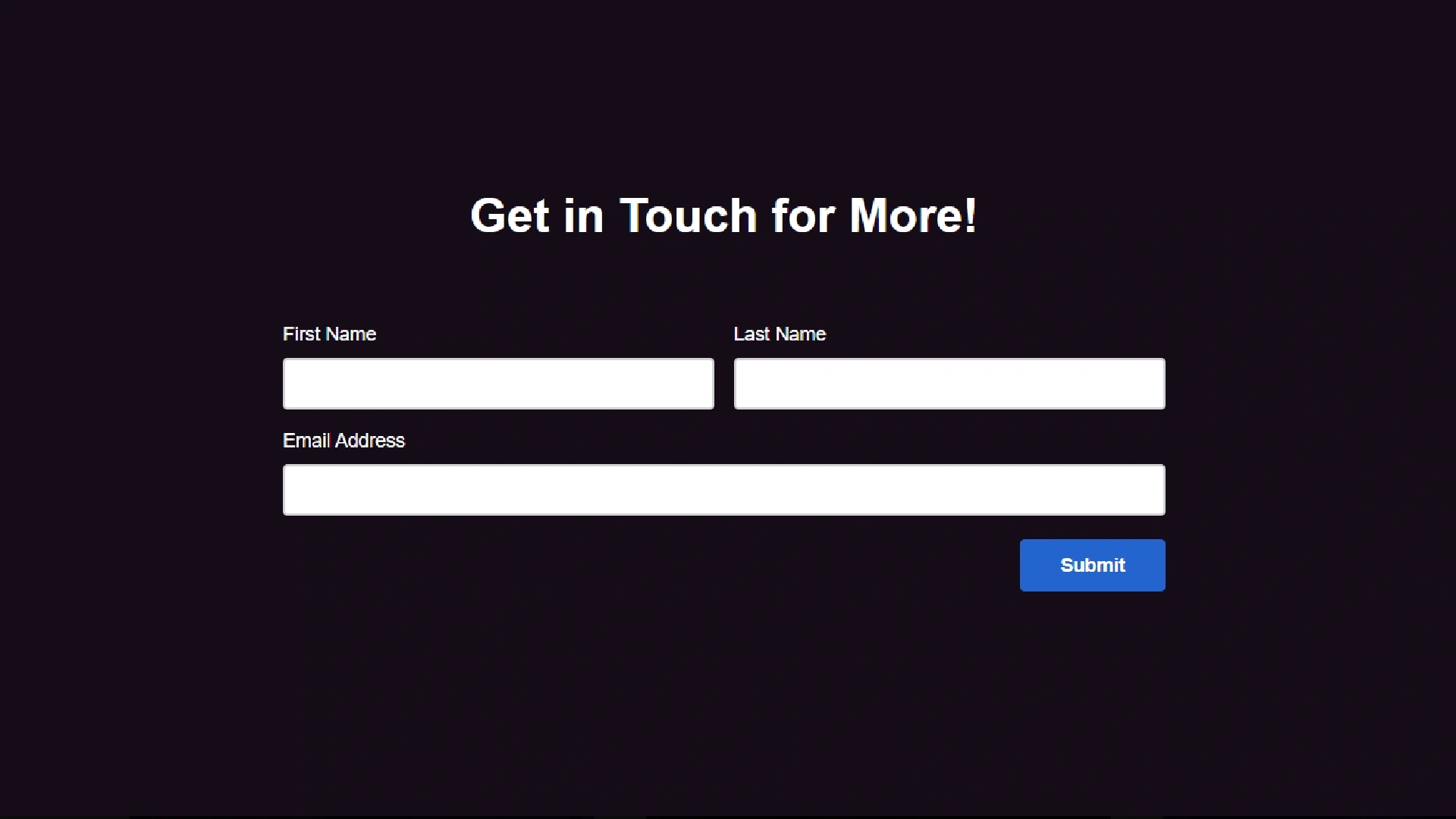
- Form submissions: Contact details or deeper feedback provided within the video.
Why does video feedback matter?
Video feedback provides direct insight into what viewers think, understand, or still need. It helps creators identify strengths and weaknesses in their content and refine future videos accordingly. For learning and training scenarios, feedback confirms whether viewers grasp key concepts and where additional clarity may be needed.
Feedback also strengthens audience relationships by giving viewers a say in how content evolves.
What are the benefits of video feedback?
The benefits of video feedback include better content relevance, clearer understanding of audience needs, and more effective communication strategies. It provides a measurable way to assess viewer satisfaction and learning outcomes.
With interactive video tools that include feedback forms, feedback can be gathered directly inside the video. Additionally, interactive video surveys can allow teams can collect structured input that complements behavioural analytics.
Applications of video feedback
Video feedback is used in education, marketing, customer support, and corporate training. Educators use feedback to refine lesson quality and identify areas where learners need more support. Marketers assess viewer sentiment to improve campaigns or product explainers. Corporate teams depend on feedback to enhance onboarding materials or internal communication videos.
Cinema8 enables these applications by allowing creators to embed feedback mechanisms directly into videos. For example, structured learning environments can combine feedback with quizzes using interactive video for e-learning, while organisations that require teams to review content can benefit from in-video collaboration tools.
How Cinema8 uses video feedback
Cinema8 makes it easy to gather, analyse, and act on video feedback. Creators can add forms, polls, buttons, and open-ended prompts directly inside the video timeline. Responses connect with an analytics dashboard, helping teams identify patterns in viewer sentiment and engagement.
With secure hosting and responsive playback, Cinema8 ensures that feedback tools work consistently across devices and embedded environments. This allows organisations to continuously improve their content while maintaining a viewer-centric approach.
Book a demo to see how Cinema8 helps you collect and analyse video feedback to build more effective, engaging content.